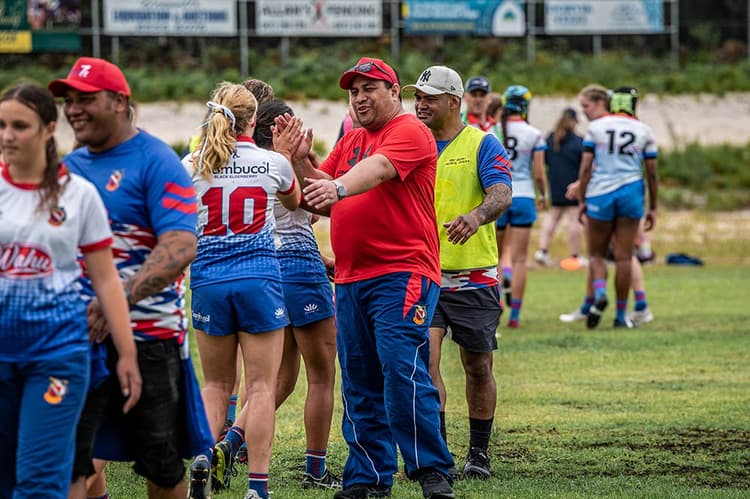
Engage
The Engage Pillar is critical to building and sustaining a strong volunteer workforce because it focuses on the recruitment and retention of volunteers at the club. First you need to understanding how you can build your volunteer base and what roles need to be filled. A strong focus on engagement and support helps foster a sense of belonging, strengthens volunteer satisfaction and retention, and creates a positive volunteer experience that encourages others to get involved.
Engaging Volunteers


A plan doesn't need to be complex. Work through these five steps before you begin promoting any roles — it will save time, reduce volunteer drop-off, and ensure you're asking the right people for the right things.
Map every current role in your club against the person holding it. Identify where a single volunteer is carrying too much, where roles have been vacant, and where the club's growth plans require new capability.
A full committee role can feel like too big a commitment. Consider splitting large responsibilities into subgroups or task-based roles — a social media team of three people beats one person burning out. This dramatically widens your potential volunteer pool.
RWC 2027 framing: Create event-specific, time-limited roles tied to the World Cup as a natural entry point for new volunteers who aren't ready to commit year-round.
Vague asks get vague responses. A good role description names the time commitment, the specific tasks, the skills required, and critically, the impact. Include what the volunteer will get out of it, not just what they'll do.
Inclusive language matters: Avoid jargon. State clearly that no rugby knowledge is needed for off-field roles. This doubles your accessible audience.
In order of typical conversion: (1) direct personal ask, (2) existing members and parents, (3) ex-players returning to the club, (4) local community networks and businesses, (5) university students seeking skills and DofE-equivalent experience, (6) digital channels (social media, Seek Volunteer, GoVolunteer).
All volunteers working with children or vulnerable people must hold a current Working With Children Check (WWCC) relevant to their state or territory. Align with your Member Union's child safeguarding policy before a volunteer starts in any junior role.
Key link: Rugby Australia Child Safeguarding Policy — confirm your state's WWCC requirements with your CDM.
There is no single channel that works for every club or every role. Use the tactics below in combination — and always start with the most effective one: a direct, personal ask.
The first 30 days of a volunteer's experience determines whether they stay. A warm welcome, clear expectations, and genuine connection to the club's mission converts a first-timer into a long-term contributor.
- Confirm the role in writing - Send a welcome message that confirms the role, time commitment, first task, and who their main contact is. This removes ambiguity and makes the volunteer feel valued from day one.
- Complete required checks: Confirm WWCC, Smart Rugby, and any role-specific accreditations before the volunteer starts. Keep records current - your CDM can support with state-specific requirements.
- Introduce them to the team: Assign a buddy - an experienced volunteer in a similar role, who can answer questions informally. This single step dramatically reduces early drop-off.
- Run a structured induction: Cover: club values and culture, emergency procedures, child safeguarding basics, their specific role and tasks, who to contact for help. Keep it under 30 minutes - a checklist helps.
- Check in at 30 days: A brief conversation - even just a "how are you finding it?" - at 30 days identifies problems before they become resignations and shows the volunteer their contribution matters.
- Recognise publicly: Thank volunteers by name - in club communications, at meetings, on social media. Nominate outstanding volunteers for the RugbyAustralia Volunteer of the Year Award.